My books are like my future grayeard. Quiet and silent.

Day 1: 30 Days to Self-Publishing Success

on
Friday, June 20, 2025

Day 1: The Self-Publishing Landscape - Your First Step to Publishing Success

What You'll Accomplish Today (45-60 minutes)

  • Understand the current self-publishing market size and opportunities
  • Learn the main revenue streams available to self-publishers
  • Set up your first market research tools
  • Analyze real revenue data from successful publishers
  • Create your initial income targets based on realistic market data
A Domestic Romance Drama, In The Light of Tommorow, read more: linktr.ee/dannesya

Step 1: Understanding the Market Opportunity (10 minutes)

The Numbers That Matter

The global self-publishing market is worth approximately $1.9 billion in 2024, with projected growth to $3.2 billion by 2030. Here's what this means for you:

Amazon KDP Statistics (2024):

  • Over 6 million books published annually
  • Top 1% of authors earn $50,000+ per year
  • Top 10% earn $10,000+ per year
  • Average successful publisher (top 25%) earns $2,000-5,000 monthly

Platform Breakdown:

  • Amazon KDP: 65-70% of ebook market share
  • Apple Books: 10-12% market share
  • Kobo: 8-10% market share
  • Google Play Books: 5-7% market share

Action Item:

Write down these numbers in a notebook. They represent your playing field.


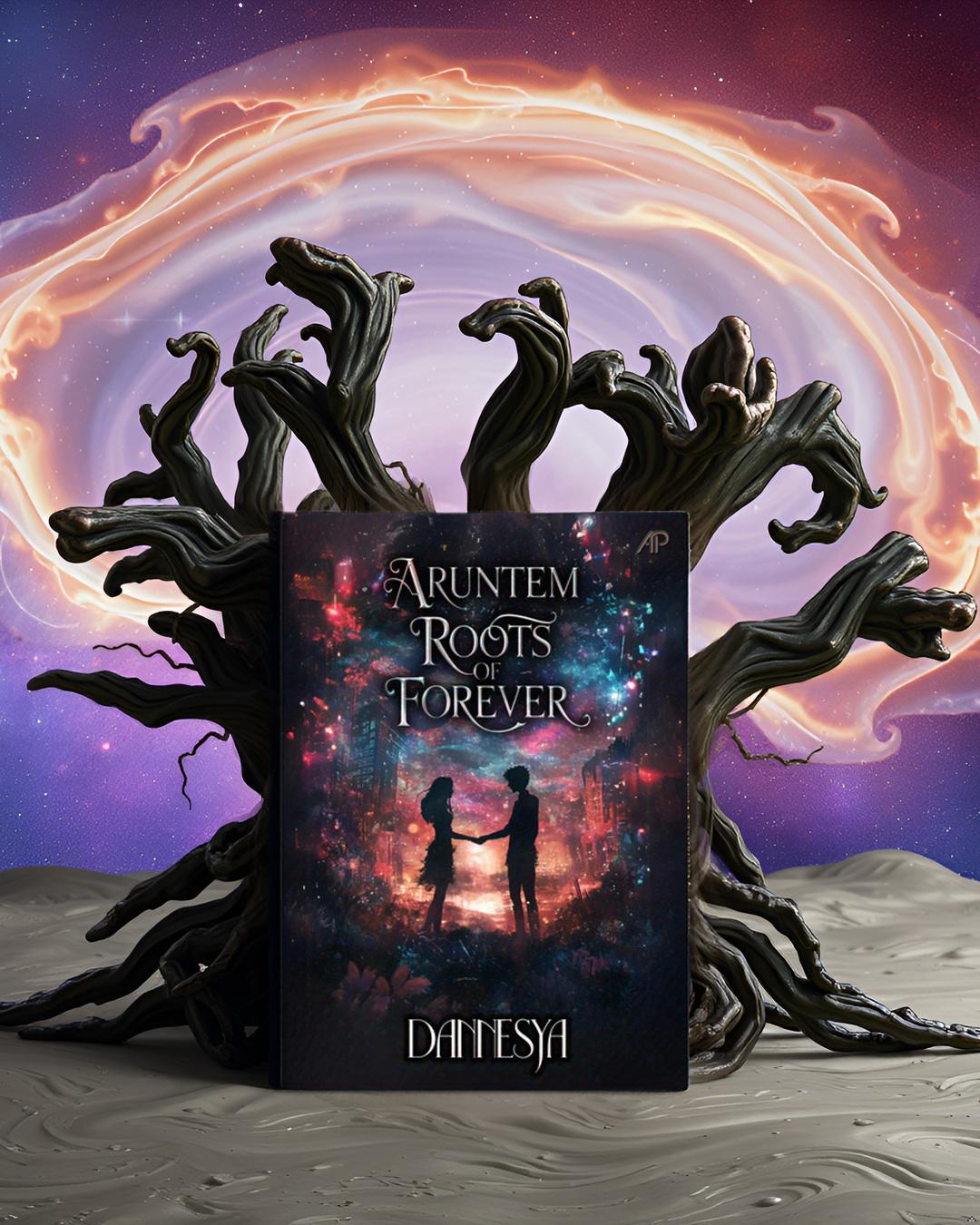
A Folklore Horror Fantasy Romance, Aruntem: Roots of Forever, read more: linktr.ee/dannesya


Step 2: Revenue Streams Analysis (15 minutes)

Primary Revenue Streams

1. Ebook Sales

  • Average ebook price: $2.99-$9.99
  • Royalty rates: 35% (under $2.99) or 70% (over $2.99)
  • Example: Sell 100 copies at $4.99 = $349 profit monthly

2. Print-on-Demand (POD)

  • Average paperback: $12.99-$19.99
  • Royalty: $2-5 per book
  • Example: Sell 50 copies at $3 profit = $150 monthly

3. Audiobooks

  • Average price: $15-25
  • Royalty: 10-25% depending on exclusivity
  • Higher production costs but 3x revenue per unit

4. Kindle Unlimited (KU)

  • Pay per page read: ~$0.004-0.005
  • 300-page book fully read = $1.20-1.50
  • Volume-based income stream

Real Example Breakdown:

Case Study: Romance Author "Sarah Miller"

  • 12 books in catalog
  • Monthly stats:
    • Ebook sales: 500 units × $3.50 profit = $1,750
    • KU page reads: 2M pages × $0.0045 = $9,000
    • Paperback: 80 units × $3 profit = $240
    • Total monthly: $10,990

Action Item:

Calculate your target: If you want $3,000/month, you need either:

  • 857 ebook sales at $3.50 profit, OR
  • 667,000 KU page reads, OR
  • A combination of both


A Wholesome Clean Romance, The Secret Ingredient is Us, read more: linktr.ee/dannesya 


Step 3: Platform Research - Your First Market Analysis (15 minutes)

Tool Setup: Amazon Best Seller Lists

Step-by-step process:

  1. Go to Amazon.com
  2. Navigate to Kindle Store > Kindle eBooks
  3. Click "Best Sellers" tab
  4. Select a category (start with Romance, Mystery, or Self-Help)

What to Look For:

  • Best Seller Rank (BSR): Lower numbers = more sales
  • Price points: What's selling in your target range?
  • Publication dates: How recent are the top books?
  • Review counts: Indication of sales volume

Real Analysis Example:

Romance Category Analysis (December 2024):

  • Rank #1: BSR 1,500 - Price $4.99 - 2,847 reviews
  • Rank #10: BSR 12,000 - Price $3.99 - 1,203 reviews
  • Rank #50: BSR 45,000 - Price $2.99 - 456 reviews

What this tells us:

  • A book at rank #50 likely sells 30-50 copies daily
  • Monthly revenue for rank #50: $2,700-4,500
  • Entry barrier is achievable for new publishers

Action Item:

Pick 3 categories and record:

  • Top 10 book prices
  • Average review counts
  • Publication dates
  • Common themes/keywords


A Scifi LitRpg System, Bite The System!, read more: linktr.ee/dannesya


Step 4: Competition Analysis Using Free Tools (10 minutes)

Method 1: Amazon's "Customers Also Bought" Section

  1. Find a successful book in your target niche
  2. Scroll to "Customers who bought this item also bought"
  3. Note patterns in:
    • Cover designs
    • Titles
    • Price points
    • Series vs standalone

Method 2: Publisher Rocket Alternative (Free)

Use Amazon's search suggestions:

  1. Go to Amazon Kindle Store
  2. Type your niche keyword + "romance" (or your genre)
  3. Note autocomplete suggestions
  4. Each suggestion represents search volume

Example Search Results:

  • "billionaire romance" - 50,000+ results
  • "small town romance" - 35,000+ results
  • "enemies to lovers romance" - 25,000+ results

Action Item:

Create a list of 10 profitable sub-niches in your chosen category.


A Scifi LitRpg Sytem, Bite The System!, read more: linktr.ee/dannesya


Step 5: Setting Realistic Income Expectations (10 minutes)

The Reality Check

Month 1-3: Learning Phase

  • Expected income: $0-500
  • Focus: Publishing first 1-3 books
  • Goal: Understanding the process

Month 4-6: Growth Phase

  • Expected income: $500-1,500
  • Focus: Optimizing and expanding catalog
  • Goal: Consistent monthly income

Month 7-12: Scaling Phase

  • Expected income: $1,500-5,000+
  • Focus: Series development and marketing mastery
  • Goal: Sustainable business income

Real Success Timeline:

"Mike Chen" - Thriller Author:

  • Month 1: $47 (first book launch)
  • Month 3: $423 (3 books published)
  • Month 6: $1,847 (optimized marketing)
  • Month 12: $4,231 (series momentum)
  • Month 18: $8,945 (multiple series)

Action Item:

Write your 12-month income targets:

  • Month 3 target: $______
  • Month 6 target: $______
  • Month 12 target: $______

An Occult Folklore Horror, Dance of The Damned read more: linktr.ee/dannesya


Step 6: Your First Day Action Plan (5 minutes)

Immediate Next Steps:

  1. Bookmark these tools:
    • Amazon Best Sellers lists
    • KDP reports (once you have an account)
    • Author earnings tracking spreadsheet
  2. Set up your research system:
    • Create a spreadsheet with columns: Genre, Top Books, Prices, BSR, Reviews
    • Schedule 30 minutes daily for market research
  3. Choose your first target:
    • Select 1 primary genre to focus on
    • Identify 5 successful books to model
    • Note their common elements

Today's Homework:

  • Spend 30 minutes browsing your chosen category
  • Save 10 book covers that catch your eye
  • Note 5 title patterns that appear successful
  • Calculate how many books you need to sell to reach your Month 3 target


A Vampire Romance with Forced Marriage, Blood Bound Bride, read more: linktr.ee/dannesya


Key Takeaways from Day 1

The self-publishing market is real and profitable - millions of authors are earning substantial income

Multiple revenue streams exist - ebooks, print, audiobooks, and subscription models

Success is measurable - BSR, reviews, and pricing data give you clear benchmarks

Entry barriers are low - you can start with minimal investment and scale based on results

Timeline expectations are realistic - most successful publishers see significant income by month 6-12


A Domestic Romance Drama, Freedom Wears Her Name, read more: linktr.ee/dannesya

Tomorrow's Preview: Day 2 - Niche Research & Market Analysis

You'll learn how to:

  • Use advanced keyword research to find profitable niches
  • Analyze competitor weaknesses you can exploit
  • Identify underserved markets with high demand
  • Create your first book concept based on data

Preparation for tomorrow: Keep your research notes from today - you'll use them to dive deeper into specific opportunities.


Success Metrics to Track Daily

Starting today, track these numbers:

  • Books researched: ___
  • Profitable niches identified: ___
  • Competitor analysis completed: ___
  • Target income clarified: ✅

Remember: Success in self-publishing isn't about luck - it's about understanding the market, following proven systems, and executing consistently. Today, you've taken the first crucial step by understanding exactly what you're getting into.


Dannesya is the author of emotionally intense, darkly romantic fiction—where love is laced with danger, secrets, and undeniable chemistry.

When she's not writing, she's dreaming up new ways to break her readers' hearts… and slowly put them back together.

📚 Explore more of her books on [linktr.ee/dannesya]
📸 Follow her writing journey on Instagram/Twitter@[dannesya]


The Secret to Crafting Unforgettable Plot Twists: A Writer's Guide to Masterful Storytelling

on
Tuesday, June 17, 2025


Plot twists are the holy grail of storytelling—those breathtaking moments that make readers gasp, flip back through pages, and immediately want to reread your entire novel with fresh eyes. But creating a truly unforgettable twist isn't about cheap tricks or last-minute revelations pulled from thin air. It's an art form that requires careful planning, subtle seeding, and deep understanding of your readers' expectations.


The Anatomy of a Great Plot Twist

A masterful plot twist operates on multiple levels simultaneously. On the surface, it completely subverts what readers believe they know about your story. But underneath, it should feel inevitable—like all the clues were there, hiding in plain sight, waiting for that moment of revelation to click everything into place.


The best twists don't just change the plot; they transform the entire meaning of everything that came before. When readers look back, they should be able to trace the breadcrumb trail you've laid, marveling at how skillfully you misdirected their attention while playing completely fair with the information you provided.


The Foundation: Know Your Story's Heart

Before you can twist expectations, you must understand what those expectations are. This begins with identifying the core assumptions your readers will make about your story, characters, and world. These assumptions become your raw material—the foundation you'll build upon before pulling the rug out from under your audience.


Start by examining your story through fresh eyes. What would a reader naturally assume about your protagonist's motivations? What seems obvious about the central conflict? What do the surface details suggest about the world you've created? These surface readings are precisely what you'll use to your advantage.


The key is to craft a narrative that supports multiple interpretations simultaneously. Every scene, every piece of dialogue, every descriptive detail should work on at least two levels: supporting the obvious reading that readers will initially accept, while also laying groundwork for the true revelation that will come later.


In "Dating Club," the male protagonist embodies this principle of dual-layered storytelling perfectly through his enigmatic nature and seemingly impulsive actions. His mysterious background and unpredictable behavior patterns create an ideal framework for crafting a narrative that operates simultaneously on multiple interpretative levels.


The Art of Misdirection

Great plot twists rely on the magician's principle of misdirection—not hiding information, but directing attention away from its true significance. This requires understanding the difference between withholding information and presenting it in a way that readers will initially misinterpret.


Consider how you can use your readers' own biases and genre expectations against them. If you're writing what appears to be a straightforward mystery, readers will focus on obvious suspects and red herrings. This gives you space to develop the real solution in the background, using scenes that readers will interpret as character development or world-building rather than crucial plot information.


The most effective misdirection feels natural and serves multiple story purposes. A conversation that seems to be about one character's past might actually be revealing crucial information about another character entirely. A scene that appears to establish the rules of your fictional world might simultaneously be showing how those rules can be broken or subverted.


In "Married to My Killer," the central narrative tension revolves around the extraordinary premise of Beatrice being possessed by her alternate universe counterpart—Blade, the world's number one assassin. This creates a fascinating dual-identity dynamic that serves as the perfect vehicle for sustained reader uncertainty about who is truly driving the plot forward.


The possession scenario creates an inherently unstable narrative foundation where readers can never be completely certain which consciousness is in control at any given moment. This uncertainty becomes the engine of suspense throughout the story, as every action, decision, and emotional response could potentially originate from either Beatrice's original personality or Blade's deadly expertise.


https://www.amazon.com/Married-My-Killer-Book-1-ebook/dp/B0DV33CSKJ


Seeding: The Long Game of Plot Development


The foundation of any great twist is planted long before the revelation occurs. This seeding process requires patience and restraint—you must trust that readers will connect the dots when the time comes, even if those dots seem insignificant when first presented.


Effective seeding operates through layers of increasing specificity. Begin with broad atmospheric elements that establish mood and possibility. A story that will eventually reveal time travel might start with subtle temporal inconsistencies—clocks that seem to run differently, characters who appear to know things they shouldn't, or historical details that don't quite align with the established setting.


As your story progresses, these broad hints should narrow into more specific clues, but always presented in contexts that disguise their true importance. The key is to make each clue serve an obvious purpose in its immediate context while also contributing to your larger revelation.


Find the seeding at: https://a.co/d/4hp2jKZ


Character Psychology and Reader Investment


The most powerful plot twists emerge from character rather than pure plot mechanics. When readers discover that a beloved character has been harboring a secret, or that their understanding of a character's motivations was completely wrong, the emotional impact far exceeds any simple plot reversal.


This means your character development must be particularly sophisticated when planning a major twist. You need to create characters who are psychologically consistent both before and after the revelation, even though readers' understanding of that psychology will be completely transformed.


Consider how people actually behave when harboring secrets or living double lives. They don't act like cartoon villains or drop obvious hints about their true nature. Instead, they develop complex coping mechanisms, elaborate justifications, and often genuine relationships that exist alongside their hidden agenda.


Find the plot twist on Kissed by a New God: https://a.co/d/479ROMF


The Revelation Moment: Timing and Execution


The moment of revelation is where all your careful preparation pays off—or fails spectacularly. This scene must accomplish several things simultaneously: deliver the shocking information, provide enough explanation to make the twist comprehensible, and allow readers to immediately begin recontextualizing everything they've read.


Timing is crucial. Reveal too early, and you'll lose the impact of your buildup. Too late, and readers may feel cheated or confused. The sweet spot usually comes when readers have enough information to understand the implications of your twist, but haven't had time to figure it out for themselves.


The revelation should feel both surprising and inevitable. Readers should be shocked by what they learn, but when they think back through your story, they should be able to see how all the pieces fit together. This requires that your twist doesn't contradict established facts, but rather reinterprets them in a new light.


Find the revelation moment at: https://a.co/d/gnILsh0


Testing Your Twist: The Beta Reader's Perspective


Before your twist reaches published form, it needs thorough testing from readers who aren't already inside your head. This is where beta readers become invaluable—not just for catching plot holes, but for confirming that your misdirection is working as intended.


Pay attention to what your test readers focus on and what they ignore. If they're picking up on clues you meant to be subtle, you may need to dial back your foreshadowing. If they're completely blindsided by your twist in a way that feels unfair rather than surprising, you may need to add more groundwork.


The goal is to create a twist that makes readers feel clever when they look back at your clues, not stupid for missing obvious signs. The difference lies in how well you've balanced revelation with concealment throughout your narrative.


Beyond the Twist: Managing Aftermath

A great plot twist isn't just about the moment of revelation—it's about how that revelation transforms everything that follows. The best twists create new dramatic possibilities rather than simply resolving existing conflicts.


Consider how your characters will react to the new information. How will relationships change? What new conflicts will emerge? How will the twist affect your story's themes and deeper meanings? A truly successful twist opens new story possibilities even as it resolves old mysteries.


Find the twist aftermath at: https://a.co/d/2yBySIV


The Reader's Journey: From Surprise to Satisfaction


Ultimately, crafting unforgettable plot twists is about understanding and managing your reader's emotional journey. You want to create a progression from curiosity through confusion and surprise to that final, satisfying moment of understanding when everything clicks into place.


This requires empathy for your readers' experience and careful attention to the psychological effects of your storytelling choices. Every plot twist is essentially a contract with your audience—you're asking them to trust you through confusion and misdirection, promising that the payoff will be worth their patience and attention.


When executed masterfully, plot twists don't just surprise readers—they transform their entire understanding of your story, creating the kind of memorable reading experience that keeps people talking about your work long after they've turned the final page. The secret lies not in the twist itself, but in the careful, patient craft of building a story worthy of such a revelation.


The art of the plot twist lies in the marriage of surprise and inevitability—shocking your readers while making them feel that they should have seen it coming all along. Master this balance, and you'll create the kind of unforgettable moments that define truly exceptional storytelling.


Please follow my author page at: https://www.amazon.com/stores/author/B0DR39GR6Q

IG: @dannesya

More works: linktr.ee/dannesya